AI Models News

Claude Opus 5.5 Claims Fable 5.1 Performance at 60% Lower Prices
Anthropic says Opus 5.5 performs at Fable 5.1's level for $4/$20 per million tokens. On CursorBench, default Opus 5.5 matches Fable at max for a sixth of the cost.

OpenAI Releases GPT-6 Sol and Luna at Half GPT-5.6 Promo Prices
OpenAI released GPT-6 Sol and Luna at 50% lower API prices vs GPT-5.6 promo rates. Live in ChatGPT Work, Codex, and the API.
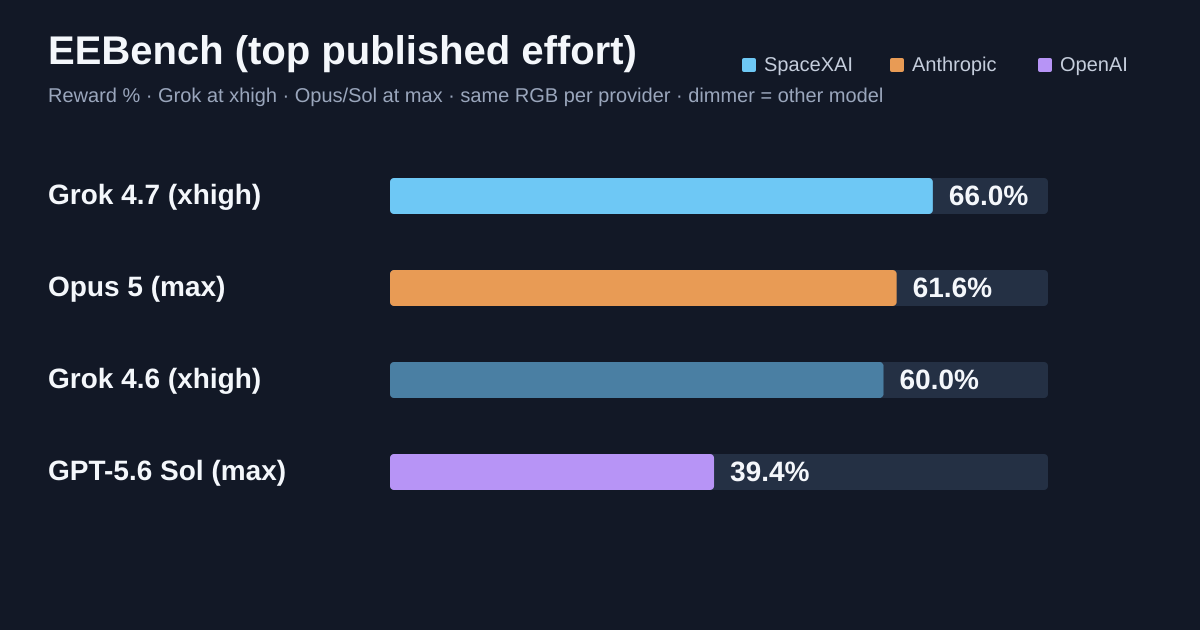
SpaceXAI Grok 4.7: Same $2/$6, Strong Cost-for-Performance on CursorBench
Grok 4.7 ships at the same $2/$6 as 4.6. On CursorBench, High effort ranks near the top for cost-for-performance, not score alone.
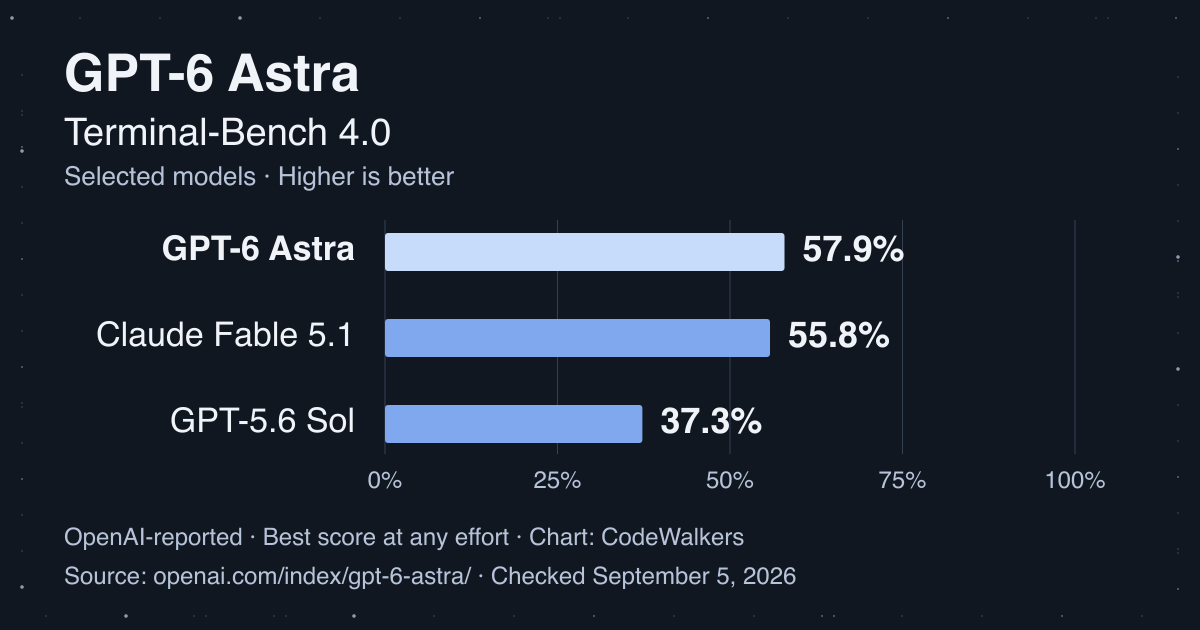
OpenAI Releases GPT-6 Astra
OpenAI released GPT-6 Astra on September 3, 2026, a computer-use flagship at $10/$50 per million tokens with 1.05M context, Critical cyber designation under its Preparedness Framework, and staged rollout to Plus, Pro, Business, Enterprise, API, Azure, and Bedrock.
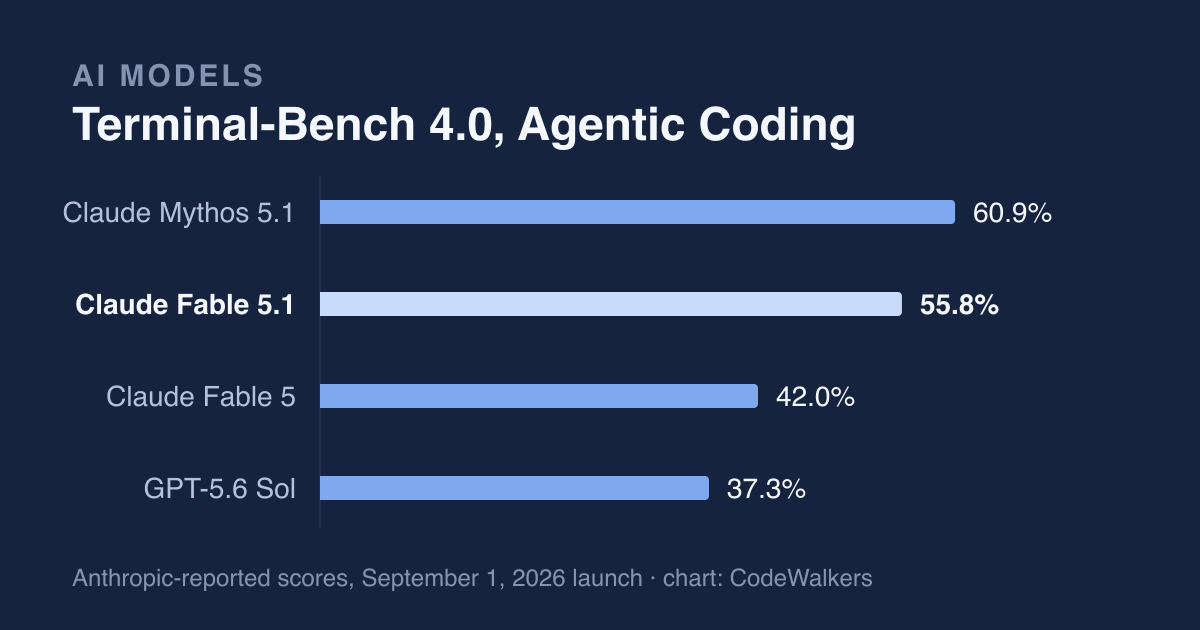
Anthropic Releases Claude Fable 5.1 and Claude Mythos 5.1
Anthropic released Claude Fable 5.1 and Claude Mythos 5.1 on September 1, 2026, at unchanged $10/$50 pricing with a 75% cheaper cache read and a government-vetted Mythos access program after Fable 5's June export-control suspension.
GPT-5.6 Family Debuts, Then OpenAI Cuts Luna's Price 80%
OpenAI shipped the GPT-5.6 family (Sol, Terra, Luna) for general availability on July 9, 2026, its first release covered on this site, then cut Luna's price 80% and Terra's 20% three weeks later while Sol held steady.
Claude Sonnet 5's $2/$10 Pricing Ends August 31, Rises 50%
Anthropic released Claude Sonnet 5 on June 30, 2026, calling it the most agentic Sonnet model yet. Introductory pricing of $2/$10 per million input/output tokens holds only through August 31, 2026, then rises to $3/$15.
Claude Opus 5: Same $5/$25 Price, Cache-Safe Tool Swaps for Agents
Anthropic released Claude Opus 5 on July 24, 2026, holding the $5/$25-per-million-token price it has charged since Opus 4.6, with beta features for mid-conversation tool changes that preserve the prompt cache and automatic fallbacks for safety-flagged requests.

Claude Fable 5: Anthropic's First Public Mythos-Class Model Unleashed
Anthropic launched Claude Fable 5 on June 9, 2026, the first generally available Mythos-class model, priced at $10/$50 per million tokens with safety classifiers that reroute sensitive requests to Claude Opus 4.8.
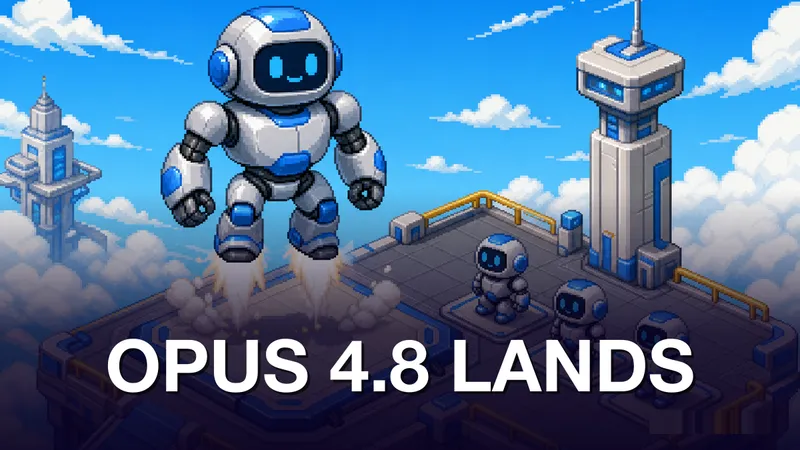
Claude Opus 4.8: Anthropic's New Flagship Lands with Parallel Subagents
Anthropic released Claude Opus 4.8 on May 28, 2026: same $5/$25 pricing, a research-preview dynamic workflows tool for parallel subagents in Claude Code, a 3x-cheaper fast mode, and measurable alignment gains.

Gemini 3.1 Flash Lite: Google's Cheapest AI Model Yet
Google released Gemini 3.1 Flash Lite on March 3, targeting lightweight and edge use cases. Here's what it's designed for and where it fits in the model lineup.
Qwen3.7-Max: Alibaba's Agent-First 1M-Context Flagship
Alibaba announced Qwen3.7-Max in May 2026: an agent-first flagship with a 1M-token context window and native extended thinking. Here's what the benchmarks show and how the pricing works.
Mistral Small 4: 119B Parameters, 6B Active, Europe's Efficient AI Play
Mistral released Mistral Small 4 on March 16, a 119B/6B active parameter MoE model combining instruction following, reasoning, vision, and coding. European data residency is a key differentiator.
DeepSeek V4: A 1.6T Open-Weight MoE with 1M Context
DeepSeek released V4 in April 2026: V4-Pro and V4-Flash, both open-weight under MIT with a 1M-token context window. Here's what the benchmarks show and how the economics work.
Gemini 3.1 Pro: Google Takes the SWE-Bench Crown
Google released Gemini 3.1 Pro on February 19 with an 80.6% SWE-bench score, 94.3% GPQA Diamond, and 77.1% ARC-AGI-2. Here's what those numbers mean and how it compares.

Meta's Muse Spark: The End of Open-Weight Llama
Meta Superintelligence Labs shipped Muse Spark on April 8, 2026: a proprietary multimodal reasoning model that marks Meta's exit from open-weight Llama. Here's what it does and why the strategy shift matters.
Claude Sonnet 4.6 Drops: Faster Output, Same Opus Intelligence
Anthropic released Claude Sonnet 4.6 on February 17, two weeks after Opus 4.6. It runs faster and costs less while matching Opus on most tasks. Here's what's different.
Claude Opus 4.6: Anthropic's 1M Context Window Changes Everything
Anthropic released Claude Opus 4.6 with a 1 million token context window, 128K output tokens, and an 80.8% SWE-bench score. Here's what those numbers mean for developers.